
Roof Water Damage: Causes, Warning Signs, Repairs, and Prevention
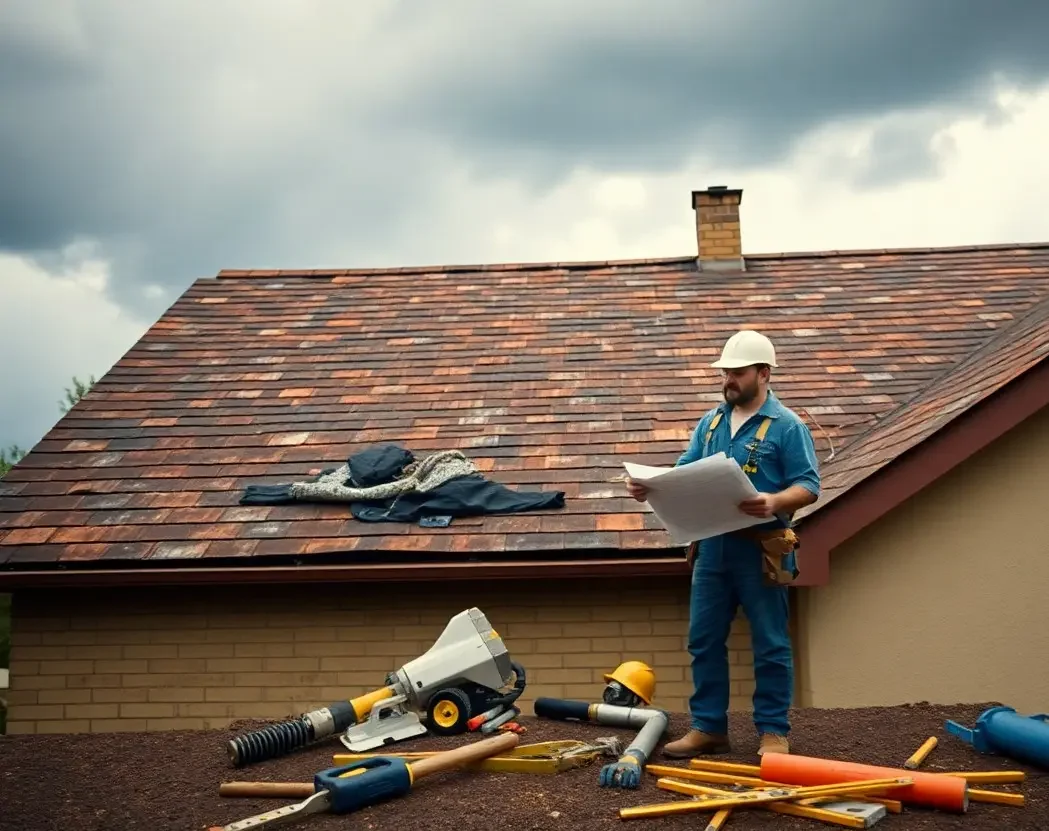
Roof Water Damage: Causes, Early Warning Signs, and Professional Repair Guide
Quick Summary: Roof water damage occurs when moisture bypasses shingles or membranes, silently destroying decking, insulation, and framing. Detecting early warning signs—such as brown ceiling stains, musty attic odors, or peeling drywall—and addressing root causes like failed flashing or clogged gutters prevents costly structural repairs.
What Is Roof Water Damage?
Roof water damage is the progressive structural deterioration caused by moisture penetrating a building’s roofing system and reaching underlying framing materials. Once water breaches primary protective layers (shingles, tiles, or waterproof membranes), it systematically impacts:
- Roof Decking & Framing: Structural plywood and wooden rafters susceptible to rot.
- Attic Insulation: Fiberglass or cellulose insulation that loses thermal efficiency when wet.
- Interior Ceilings & Drywall: Substrates that warp, stain, or collapse under prolonged moisture exposure.
- Electrical Systems: Conduits, wiring, and fixtures exposed to short-circuit and fire risks.
- Wall Cavities & Flooring: Areas where water travels horizontally before manifesting as visible damage.
Because water travels laterally along beams and underlayment before dripping, the visible interior stain is rarely located directly beneath the roof leak’s actual entry point.
The Most Common Causes of Roof Water Damage
Roof water intrusion typically stems from specific structural failures and component degradation:
- Missing or Damaged Shingles: High winds, severe storms, and thermal cycling expose the underlying felt or synthetic underlayment to direct precipitation.
- Failed Flashing: Improperly sealed or corroded metal flashing around chimneys, skylights, plumbing vent pipes, and wall intersections creates primary entry corridors.
- Ice Dams: In cold climates, heat escaping from the attic melts snow on the upper roof; the water refreezes at the colder eaves, forcing liquid back under the shingle courses.
- Clogged Gutters and Downspouts: Accumulated debris prevents proper drainage, causing water to pool against the roof edge and back up under the drip edge and starter strips.
- Cracked Vent Boots: Rubber or neoprene seals around roof penetrations degrade, crack, and tear under prolonged ultraviolet (UV) exposure.
- Flat Roof Ponding: Standing water (ponding) lasting longer than 48 hours on low-slope or flat roofs slowly breaks down membrane seams and bitumen layers.
Warning Signs of Roof Water Damage Inside the Home
Property owners often fail to notice exterior roofing defects until interior symptoms appear. Key indicators include:
- Discoloration: Distinct yellow, brown, or copper water rings on ceilings and walls.
- Surface Distortion: Peeling paint, bubbling drywall, and warped plaster surfaces.
- Sensory Cues: Persistent musty, damp, or earth-like odors originating from the attic or upper floor spaces.
- Biological Growth: Mold, mildew, or fungus spots expanding along drywall corners or ceiling joints.
- Structural Sagging: Bowed ceiling drywall or sunken decking areas indicating heavy accumulated moisture.
- Active Dripping: Water flowing or seeping through light fixtures or ceiling joints during active rainstorms.
What Happens If Roof Water Damage Is Ignored?
Postponing remediation accelerates physical decay and exponentially multiplies project costs:
- Structural Rot: Wooden decking and load-bearing roof trusses rot, requiring complete component replacement.
- Mycotoxin and Mold Proliferation: Hidden moisture triggers toxic mold colonies that degrade indoor air quality and pose health risks.
- Thermal Insulation Failure: Wet insulation loses its R-value, drastically spiking home heating and cooling energy bills.
- Electrical Fire Hazards: Moisture corrosion within electrical boxes and wiring paths creates dangerous short circuits.
- Compromised Asset Value: Minor localized repairs escalate into full structural roof overhauls and extensive drywall reconstruction.
Professional Roof Water Damage Inspection Process
Licensed roofing specialists deploy a systematic diagnostic framework to identify root causes rather than temporary surface fixes:
- Exterior Envelope Assessment: Inspecting shingle integrity, ridge caps, valley alignment, and flashing condition.
- Attic and Decking Audit: Entering the attic space during daylight or using thermal imaging to locate wet insulation and stained decking timber.
- Moisture Tracing: Tracking water trails backward from interior stains to the exact exterior breach point.
- Ventilation and Drainage Evaluation: Calculating attic net free ventilation area and assessing gutter pitch and capacity.
- Structural Integrity Verification: Testing load-bearing rafters and collar ties for structural load capacity loss.
How Professional Roof Water Damage Is Repaired
Comprehensive remediation restores the roof’s complete waterproof building envelope through defined stages:
- Breach Isolation & Tear-Off: Removing compromised shingles, underlayment, and flashing around the affected zone.
- Decking Reconstruction: Cutting out and replacing rotted or delaminated plywood and OSB roof decking.
- Insulation Replacement: Discarding saturated insulation bats and installing dry, high-performance thermal material.
- Flashing & Penetration Renewal: Installing new step flashing, continuous counter-flashing, and seamless rubber vent boots.
- Waterproof Underlayment Application: Laying down modern self-adhering ice-and-water shield membranes.
- Surface Re-roofing: Fastening matching architectural shingles or membrane materials to recreate a seamless exterior barrier.
Preventing Roof Water Damage: Best Practices
Proactive maintenance protects long-term property valuation and eliminates emergency repair bills:
- Schedule Semi-Annual Inspections: Conduct comprehensive roof checks in spring and autumn.
- Maintain Clear Drainage Systems: Clean gutters and downspouts at least twice a year, ensuring downspouts discharge water at least 5–6 feet away from the foundation.
- Verify Attic Airflow: Ensure soffit and ridge vents remain unblocked to prevent condensation buildup.
- Prune Overhanging Tree Branches: Keep limbs trimmed at least 10 feet away from the roof surface to minimize abrasive wear and debris accumulation.
- Address Minor Flaws Instantly: Replace cracked vent boots or curled shingles immediately upon discovery.
When to Call a Roofing Professional
Contact an accredited roofing contractor immediately if you notice:
- Visible interior water stains or active drips.
- A roofing system approaching or exceeding 15–20 years of age.
- Missing, cracked, or wind-lifted shingles following a severe weather event.
- A damp, unventilated, or musty smell inside the attic space.
- Granule accumulation in gutters, indicating advanced shingle wear.
Final Thoughts
Roof water damage is silent, progressive, and destructive when left unaddressed. What begins as a minor ceiling discoloration often masks a complex structural failure above. By prioritizing regular professional inspections, immediate targeted repairs, and proactive maintenance, property owners can safeguard their structural integrity, maintain indoor air quality, and prevent expensive catastrophic failures.